Repetition of tasks is an enormous source of frustration when working with artificial intelligent. An effective AI assistant could deliver a fantastic response one moment, but then lose important context for the next conversation. Developers typically compensate by offering the same data such as project files, project files, or documents to keep the conversation going.
As AI becomes part of everyday software, this approach becomes increasingly inefficient. Intelligent systems need the capacity to keep relevant information in mind in a quick and efficient manner, as well as be aware of changes in information in time. Memory is becoming an essential part of contemporary AI architecture.
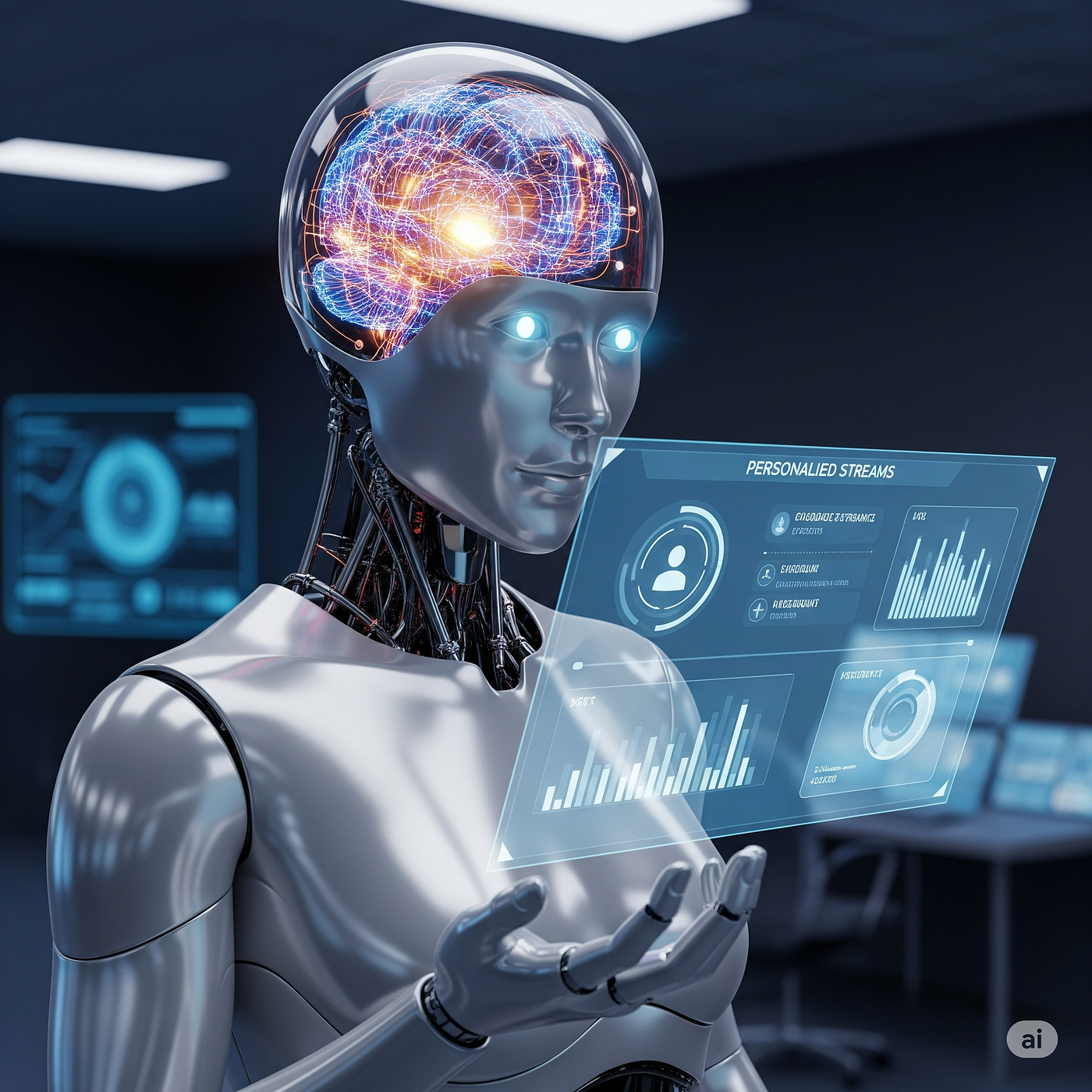
Memory transforms AI from reactive into intelligent
A system that is able to remember prior work will behave different from one that needs to start again each time. Persistent Memory allows applications to recognize patterns and understand the ongoing work. They are also able to provide solutions based on the historical context, not isolated prompts.
Telys was created to solve this problem. Rather than functioning as another cloud service, it operates as an embedded AI agent memory engine that stores and retrieves information directly within the application. This approach gives developers a reliable way to maintain an understanding of the situation while reducing unnecessary computation and repetitive processing. As a result, AI experiences are more natural, as the software keeps track of everything that is important.
Make sure that data is local to improve both speed and privacy
The speed that an AI model can generate text is not the sole method of evaluating performance. For companies that are using AI the speed of retrieval, the system’s response and data security are becoming equally important.
With the use of on-device storage to store data for AI agents, programs can retrieve relevant information from servers, without the need to be constantly in contact with them. Because memory stays within the local environment, queries can be processed faster, while companies maintain more control over sensitive information. This architecture is particularly valuable for teams of engineers developing internal software, enterprise applications and privacy-sensitive apps where data ownership cannot be compromised.
Developers benefit from memory that is working behind the scenes
To create intelligent software you shouldn’t have to manage an intricate infrastructure just to keep the information. Software developers are seeking tools that can be easily built into workflows already in place, without adding additional overhead.
A local MCP Memory Server makes this possible by allowing compatible AI Development Environments to access persistent memory within the local ecosystem. Instead of transferring data across remote APIs, AI assistants can retrieve exactly the information they require from a memory layer that’s already linked to the application. This process speeds development and decreases latency for large teams that are working on projects that require changing codebases or documentation.
The future of AI is based on the long-term context
Artificial intelligence is moving beyond simple conversations toward long-running systems capable of planning, reasoning, and completing complex tasks independently. These systems require a stable memory that can store information across all interactions.
Telys is a sophisticated AI memory system that can provide persistent local retrieval, specifically created for applications that need speed, reliability in privacy, security, and speed. Telys integrates the device-specific AI memory agent with a highly efficient local MCP memory service to assist developers create software which remembers previous work, retrieves data instantaneously and is improved over the duration of time.
The ability to remember correctly could be as crucial as the ability of reasoning as AI becomes more integrated into the business and product. Telys’ AI application development tool allows developers to create AI applications that have greater speed efficiency, intelligence, and effectiveness in the workplace by giving intelligent systems a long-lasting context, rather than just a short-lived conversation.