Think about the apps that are on your phone at the moment. You use them every day without even thinking about the routine loops. Your thumb is aware of which direction to take. The reason for this effortless, second-nature interaction lies a massive amount of intentional human behavior and a deep understanding of engineering. The modern user has no tolerance for digital friction. If an app’s display lags for less than one second or takes too long to load weak mobile data, or if it fails to send an alert, it is deleted in a matter of minutes. If you’re a founder with a capital investment and a growth-oriented enterprise teams there is no reason why the stakes cannot be any higher. It’s more than just an attractive page or smooth surface to introduce a digital product. It is vital to have an agreement with a top mobile app developer who can engineer human retention in the very initial stages of production.
Navigating the Constantly changing Ecosystem Rules
It’s more challenging building for mobile than web engineering due to the fact that you are working on an unstable surface. Every year in the autumn, Apple rolls out a new operating system upgrade with stricter privacy manifests, eliminating outdated codes, and modifying reviews for the app store. Google is able to set its own timeline. It continuously alters how notifications function as well as how background processes affect the battery of phones. Your app may fail in the event that your team isn’t aware of the changing rules. This could result in negative reviews and broken features. This is why it is imperative that companies should employ mobile app developers that view their job as a continuous cycle instead of an coding sprint. Release engineering is an ongoing process that guarantees that an automated pipeline for shipping is in place and safe during each operating system modification.
The Crossroads of Native Experiences
When mapmaking out a new mobile roadmap, product creators always come to a crucial structural crossroads: determining how the code interacts with physical hardware. Choosing the right iOS apps development services offers teams full, uncompromising access to the latest Apple native frameworks, which allow smooth animations that are silky smooth and connections to specific features such as HealthKit or biometric security. A targeted Android app will ensure that your app can be built to function with the wide array of screen sizes, processing capabilities and device types available on the market. Native architecture is the high-end option for businesses that rely heavily on device access, like interacting with low-latency Bluetooth accessories, tracking precise real-time locations and offering seamless payment flows with native payment systems.
Cross-Platform Engineering speedens the production process
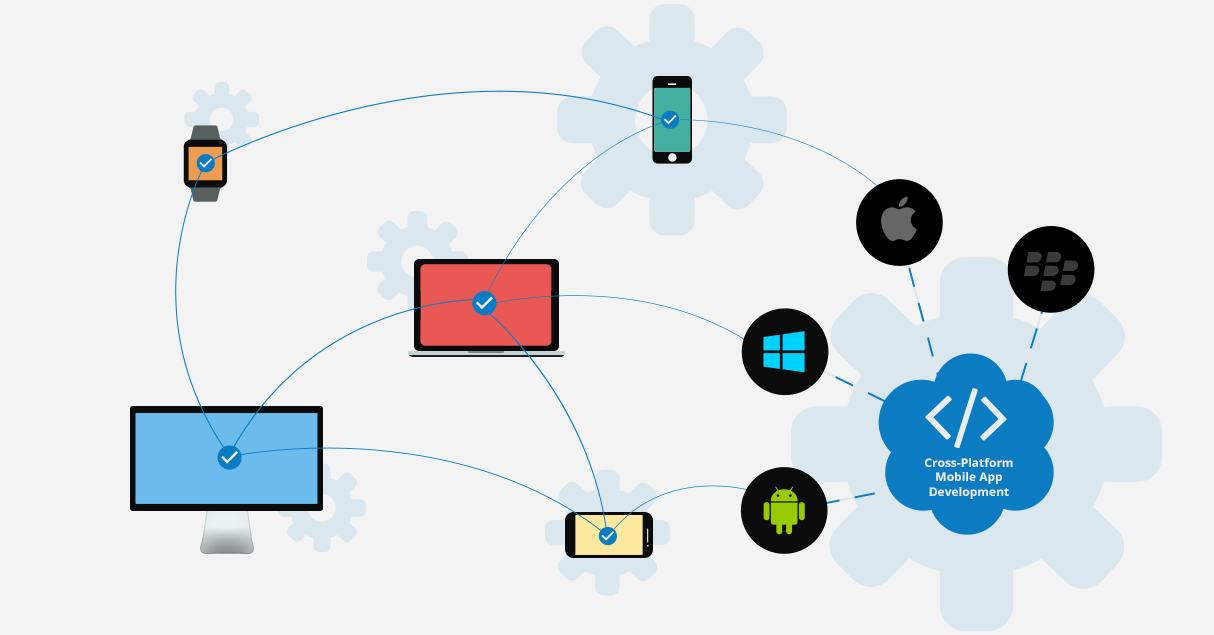
Many companies are growing rapidly and the pressures of funding as well as competition can make it difficult to develop apps for two different operating systems at the same time. Choosing an elite cross-platform app development strategy resolves this dilemma by allowing a unified development team to build, test, and maintain a single codebase that runs beautifully on both platforms. This strategy allows businesses to get real-world feedback from their users for a minimal cost. This can also cut down the traditional launch timeline by months. A specialized Flutter company can assist brands in creating high-quality, stylized interfaces that have pixel-perfect GUIs that ensure the same visual style across all devices. This cross-platform approach, is backed by robust background data syncing and automated testing, creates an ideal balance between speedy market entry and efficient execution.
The design of sustainable, long-term user engagement
In the end, the effectiveness of a mobile launch will be judged by the longevity of user behavior, not only temporary growth in downloads. The best mobile architecture integrates key behavioral triggers into the technical stack to ensure that onboarding flows provide the desired value in just 60 seconds and local data is cached smoothly during unexpected cellular dropouts and notifications systems adhere to user focus. Whatever you are a team member who wants to build a minimal viable product that is ready to go in order to demonstrate market value or is building a large enterprise system with strict requirements for data compliance, the focus on the fundamentals is the same. Digital Heroes will help you create a solid digital asset by adhering to a pattern of engineering that is well-organized and predictable while respecting your users’ schedules and device performance.