A tortilla rarely looks like the focus of a prepared meal. Thin and easy to fold, it often sits unnoticed beneath whatever you put inside. Yet choosing the right wrap can make a meaningful difference to the nutritional balance of a prepared meal.
Comparing tortilla calories involves more consideration than finding the lowest energy figure. It’s whether the wrap offers the nutrients, feel, and versatility needed for the meals you actually eat.
Comparing Wrap Calories: Why the Numbers Differ
A quick search for “calories wrap tortilla” often brings up products with widely different nutritional values. Mission reports approximately 186 calories for a Wholemeal Wrap and around 125 for a Carb Balance wrap, illustrating the variation. The comparison uses the company’s published nutrition data.
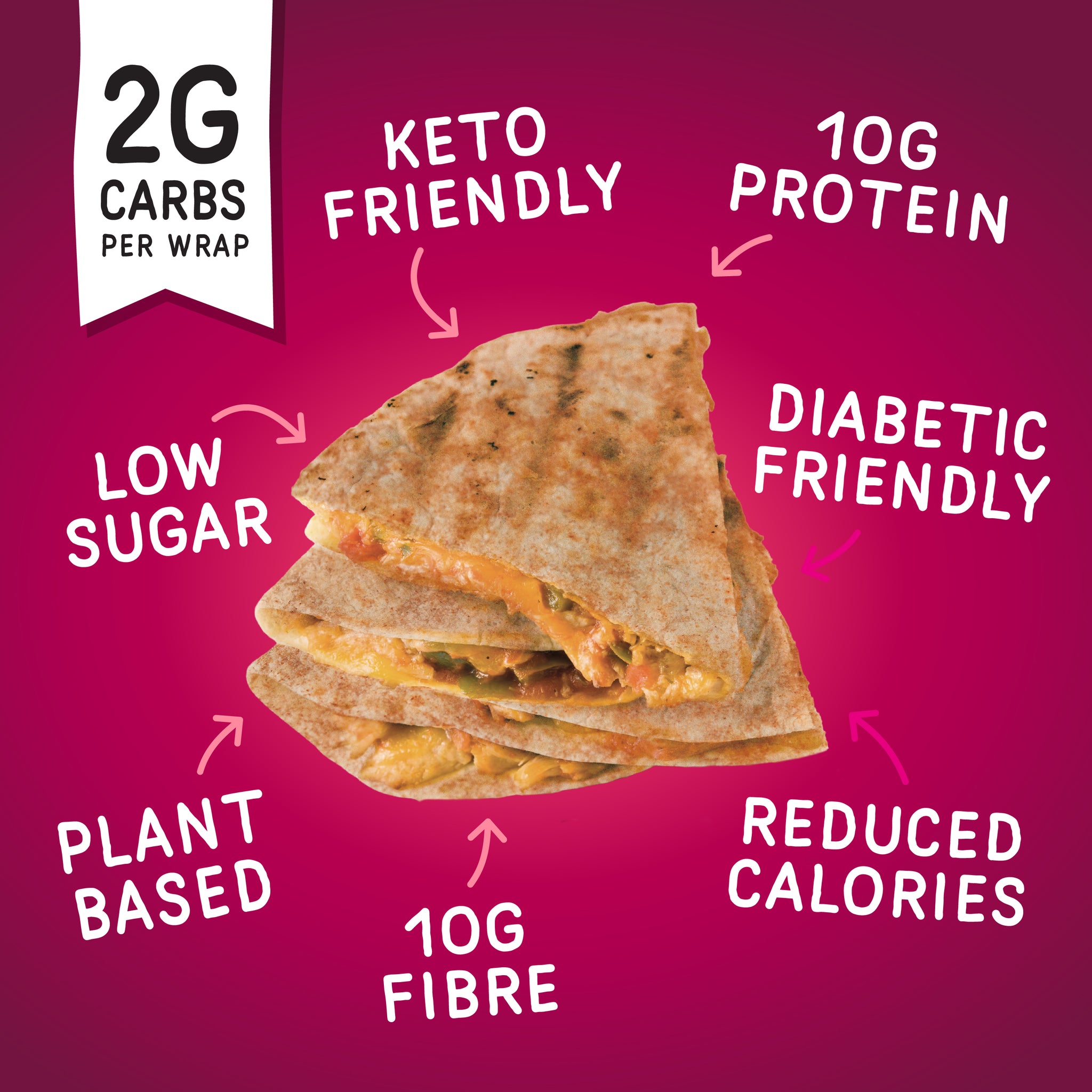
Image credit: fitbakes.co.uk
The gap between those figures shows why it is useful to read each product label. Tortillas vary in weight and formulation, so appearance alone cannot tell you how many calories you’re eating. It’s also worth remembering that a lower-carbohydrate product need not be the lowest-calorie option.
How a distinct Tortilla Changes the Meal
Think of a lunch made with grilled chicken, roasted peppers, salad leaves, and a little yoghurt dressing. Next, swap the standard tortilla for one with a lower carbohydrate content. You still have essentially the same lunch, although its nutrition figures is different.
Fitbakes Wholegrain Wraps are intended to let people adapt familiar meals. The manufacturer reports just 2g carbohydrates, 10g protein, and 10g fibre per wrap.
For those aiming to eat fewer carbohydrates without abandoning bread-based lunches, those stated values may be useful. The exact calorie content should be confirmed using the product’s full nutritional label.
Why Protein and Fibre Are Worth Comparing
Although packaging may group them together, protein and fibre have distinct roles. Protein supports normal tissue repair and maintenance. Fibre contributes to digestive health and may help make meals more satisfying. Fitbakes lists 10g of protein and 10g of fibre per wrap, making each of these figures relevant to shoppers.
The rest of the ingredients inside still matters when assessing the overall meal. A tortilla filled with vegetables and a suitable protein source offers something different from one heavily dressed with rich sauces.
Tortilla Preparation: A Few Practical Ideas
You may influence the calorie count in the prepared dish through how you prepare the wrap, without buying another tortilla. A dry pan adds no cooking oil when you toast a flatbread wrap; frying with oil, by contrast, adds calories. The manufacturer recommends around 30 seconds of light toasting for its wholegrain wraps to bring out a malty flavour.
A simple lunch could start with a warmed tortilla filled with cooked mushrooms, spinach, and a small amount of cheese. Alternatively, use it as a thin flatbread topped with tomato, herbs, and roasted vegetables. Both approaches offer variety without requiring complicated cooking techniques.
Don’t Forget the Whole Meal
During a comparison of tortillas, you can become focused on the packaging label and miss the bigger picture.
The calorie count of a dish also reflects the spreads, cheese, dressings, and cooking fats you use. A calorie-conscious comparison should include everything on the plate, not just the tortilla.
People eating fewer carbohydrates should also account for carbohydrates in the filling. Looking at all the ingredients helps you see the nutritional picture more clearly.
Choose a tortilla for Your Everyday Meals
The best calories wrap tortilla for you should be suited to your everyday cooking, aligned with your nutritional priorities, and enjoyable. For those seeking a plant-based, reduced-carbohydrate alternative, Fitbakes Wholegrain Wraps come with manufacturer-reported protein and fibre values.
An informed choice starts with reviewing ingredients and allergens, serving size, and the entire nutrition panel. The flatbread showing the lowest number on the packet is not necessarily the most useful choice. What matters is finding a wrap that works for the meals you eat.