A park district approves funding for the construction of a new public bathroom. The project team has selected the site, and the structure appears to be suitable and is now ready for construction.
Then the contractor begins reviewing the site. The drainage issue is an issue at the site proposed. Utility connections may be further from the site than expected. Delivery vehicles may have difficulty to reach the installation area and the chosen design doesn’t match the available space.
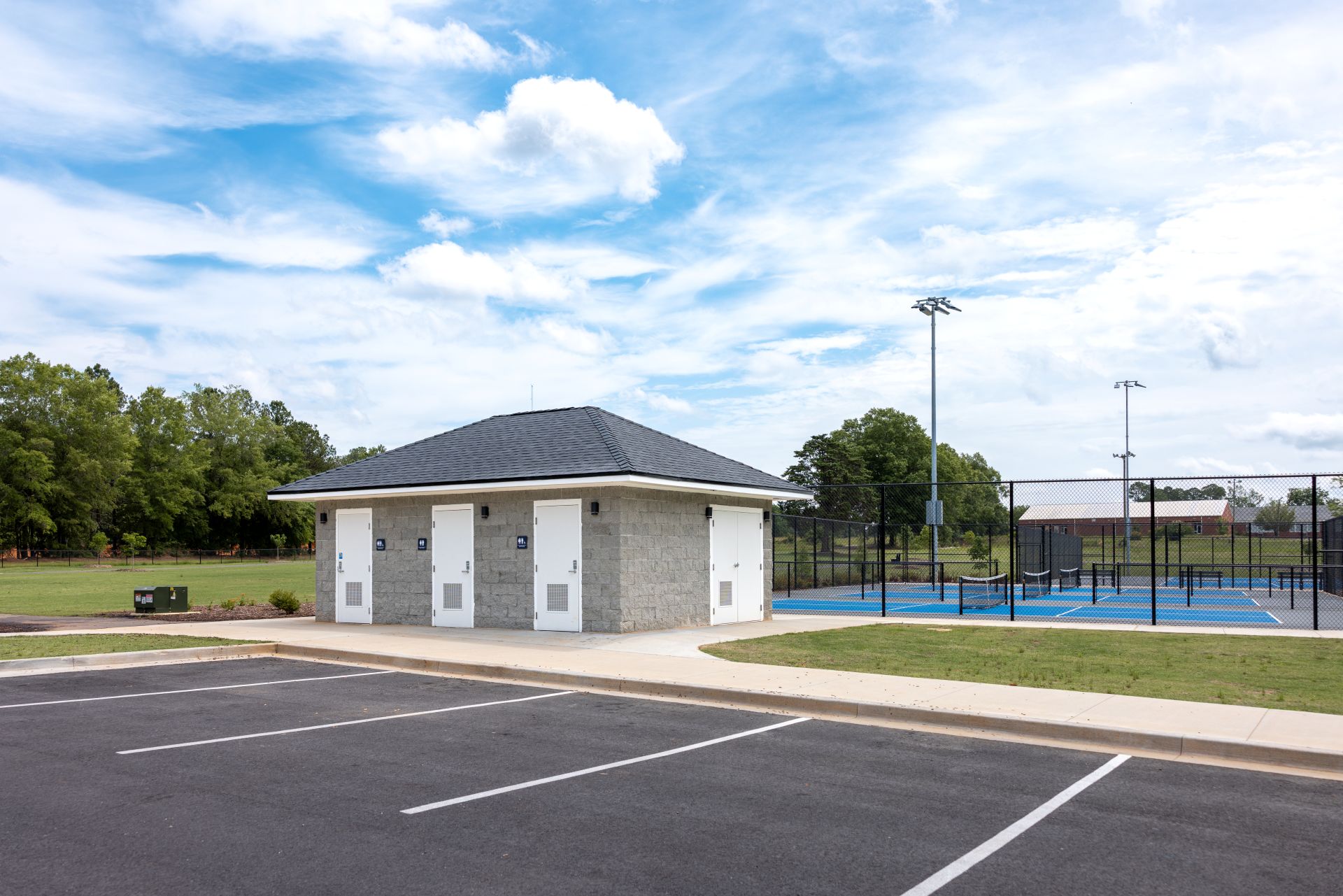
Image credit: romtec.com
None of these problems necessarily mean that the project can’t proceed. These issues could lead to revisions, costs and construction delays. Public agencies and developers can manage bathroom projects more easily when the location’s requirements are taken into consideration right from the beginning.
Drawings of buildings don’t reveal the entire story
Teams for projects should take into consideration the property’s capacity before selecting the appropriate park restroom that is prefabricated. Installation is affected by the slope of the property or drainage, the utility, as well as construction accessibility.
If a bathroom is planned close to a playground area, it may be necessary to connect the bathroom with the existing water and sewer infrastructure. If such connections aren’t readily available or cost prohibitive to construct, a new approach may be needed.
The foundation and location of the building must also consider applicable codes, accessibility requirements and specific site conditions. It is possible that a standard plan of the building appears good on paper, but needs significant adjustments after these factors have been considered.
Urban Projects have their own construction constraints
In order to build sidewalk restrooms, it is necessary to have more than a space that is compact. On sidewalks are generally underground infrastructure, pedestrian routes, and street furniture. Coordination of construction activities with local authorities could be necessary.
The placement of a restroom too close to a utility corridor can complicate excavation or foundation construction. Accessibility is another aspect to be considered. The entrance and the surrounding area should be constructed to meet the requirements of the area, not just accommodate the space available.
Romtec offers customizable ADA single-user toilet units with options for the placement of sinks and doors. This allows project teams to prepare for public usage while also considering physical site limitations.
No Sewer Connection? Look at other options
Remote recreation areas pose distinct infrastructure problem. A trailhead might be several miles away from the closest sewer outlet, making traditional flush toilets not practical.
In appropriate locations, vault toilets provide a waterless alternative. Instead of pumping the wastewater into a sewer system the vault toilets collect waste and store it in a holding chamber that must be cleaned periodically.
A vaulted toilet is not eliminate the need to design your site. The project will still require appropriate ground conditions, as well as safe access to the equipment for servicing, as well as appropriate ventilation.
Romtec creates waterless vault restrooms equipped with Sweet-Smelling Techniques (SST) A technology which is developed to eliminate the odors through ventilation. Selecting the sanitation system prior to construction will prevent costly modifications in the design of the building later.
Construction Coordination begins before delivery
Prefabricated construction is often misunderstood as being pre-decided by the builder. However the coordination of project is still essential for site preparation, utility connections, accessibility and local approvals. Romtec tackles these issues with modular building kits and design assistance instead of relying on fixed, one-size-fits-all structures.
The company works with landscaping architects, contractors, and project owners to match building specifications in accordance with the particular requirements of each site. This method is particularly useful when a bathroom has to match the style of a particular architectural design or be able to accommodate particular property conditions.
The most important questions are the ones that result in better designs
Owners need to first establish where the restroom will be located before determining the route through which construction equipment will enter the area, as well as the authorizations needed.
The building must be built in a way that doesn’t require significant modifications to the surrounding infrastructure.
The questions might seem less appealing than selecting architectural or exterior finishes however, they could be more influential on the cost of the project and its scheduling.
The public restroom projects that succeed don’t simply complete the project on time. The construction, the site infrastructure and the process of construction and its intended usage are all taken into consideration. Making early decisions will ensure that the final bathroom will be capable of serving the community better.