The best medical imaging is often considered to be more precise images. But in reality, any radiology procedure that is effective serves higher purpose. It is essential to establish whether medical exams is able to provide the information needed for a particular circumstance.
Someone who is suspect of a joint problem, for example has a distinct diagnostic question from someone having breast imaging or a scan of the prostate. Modern radiology does not rely on a single scanner to cover all scenarios, but instead uses a variety of imaging techniques to deal with these differences.
The private consultations at the Wolfsburg Diagnostic Center gives patients access to various imaging-guided and diagnostic services in one practice of radiology.
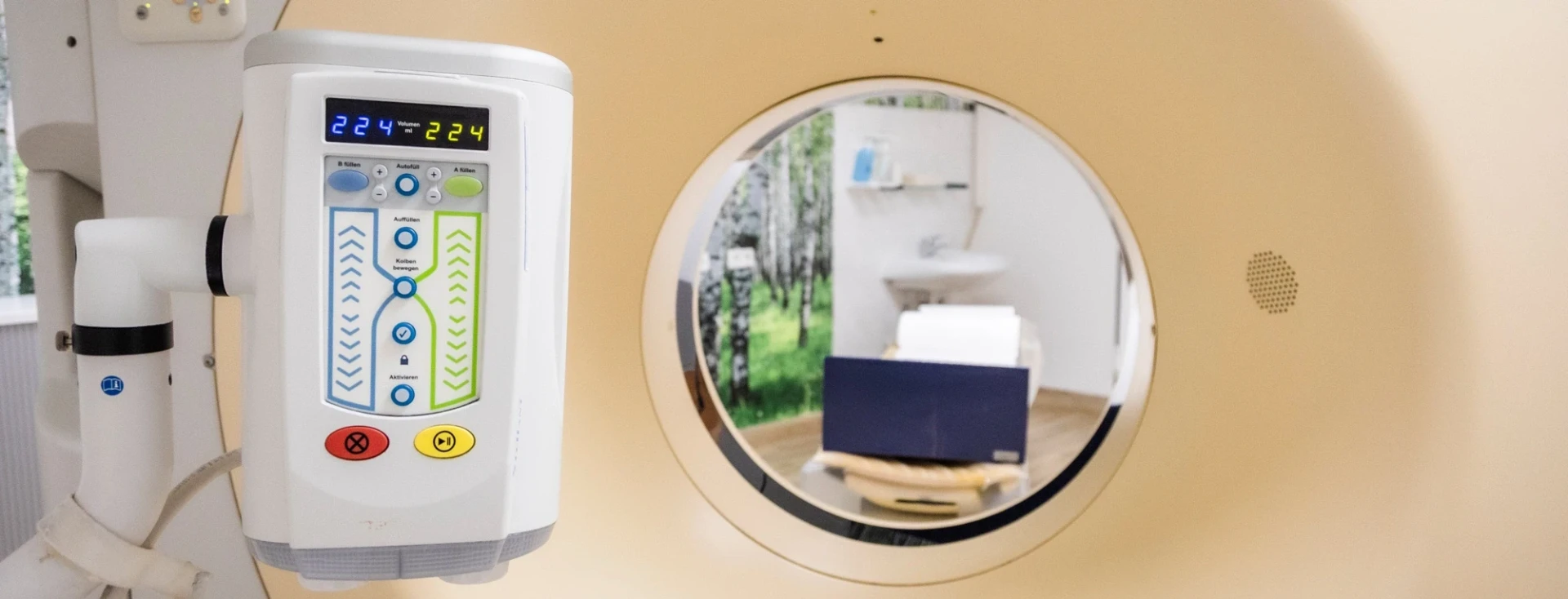
Image credit: diagnostikzentrum-wolfsburg.de
Different parts of the body manifest themselves in different ways
Utilizing different imaging techniques, the bones, soft tissues organs, joints, joints and various other structures don’t appear in the exact same way.
Magnetic resonance imaging can be particularly useful when detailed visualization of the various soft tissue structures is needed. The Wolfsburg Diagnostic Center operates two modern 1.5 Tesla MRI scanners and conducts exams of various areas, including the spine, brain, joints, internal organs and soft tissues.
MRI is an non-radiation scan. When appropriate, the center can offer more specific examinations for prostate MRIs and whole body MRIs.
It is vital to note that the word “MRI” that describes the technology, is not the same as the question asked by the patient.
CT Gives You a Different View
Computed tomography has its own purpose in diagnosing medical conditions. CT makes use of X-rays in order to create precise cross-sectional pictures of the human body. In the Wolfsburg Diagnostic Center exams are conducted using low-dose technologies that are designed to limit radiation exposure while maintaining quality of the images required for evaluating.
The particular clinical circumstance will determine the most appropriate imaging method. More advanced-sounding does not automatically indicate more suitable.
Digital X ray remains relevant
MRI, CT and other imaging technologies are receiving much more attention. This can make conventional the X-rays look outdated. The X-rays that are digital today tells a very different story.
Digital systems remain a popular method to look at skeletal structures. Modern technology uses high-resolution images and techniques that minimize radiation exposure.
In other words, modern technologies have expanded the radiologist’s options instead of simply substituting every technique that came before them.
Breast Imaging Can Benefit the context of a specific method
Breast diagnostics are another example of imaging that is specialized. The center offers mammography that includes 3D mammography, tomosynthesis and other forms as well as breast ultrasonography. These techniques offer various forms of information from images that are able to be utilized depending on the specific medical situation.
Radiology is not an anomaly. To make use of imaging effectively, you must first be aware of what requires investigation.
Imaging can help guide the treatment
The scope of radiology goes beyond the detection or monitoring for abnormalities. The Wolfsburg Diagnostic Center performs CT guided periradicular therapy (PRT) that uses CT images provide guidance during the procedure. Low-dose radiation therapy is an additional option for treatment.
These examples illustrate how medical imaging can go far beyond simply observing to guide the treatment.
Answering the question in a targeted manner with precision
A modern diagnostic facility isn’t determined solely by the number of machines it operates. The quality of a diagnostic center is also determined by its application of the right technology to the medical condition that is clearly defined and experienced specialists interpreting the images. To learn more CT Wolfsburg
Patients have access to specialist treatment as well as a range of radiological examinations in private consultation times.
The objective isn’t simply to create more pictures. It is to produce relevant clinical information that will assist patients and physicians comprehend the medical issue which is being investigated.