Often, it starts small. Many Raspberry Pi devices may be installed in a test location, such as an lab. Everything is manageable at this moment. You can manually check your devices, update them as necessary and correct any issues that may arise.
Then, things begin increase.
More devices get added. There are multiple locations involved. Then, keeping track of everything becomes a tedious task. In this point, companies start to look for structured methods of maintaining their systems. Often, they turn to solutions like AWS devices management Raspberry Pi, which brings all of their systems under one roof.
Growth is exciting however, without the proper method put in place, it can quickly get out of control.
Go beyond manual Oversight
Controlling devices one at a time might work for a handful of devices but it’s not going to increase the number of devices. As deployments expand in number, teams will need to find a better way to control operations without having to constantly deal with problems.
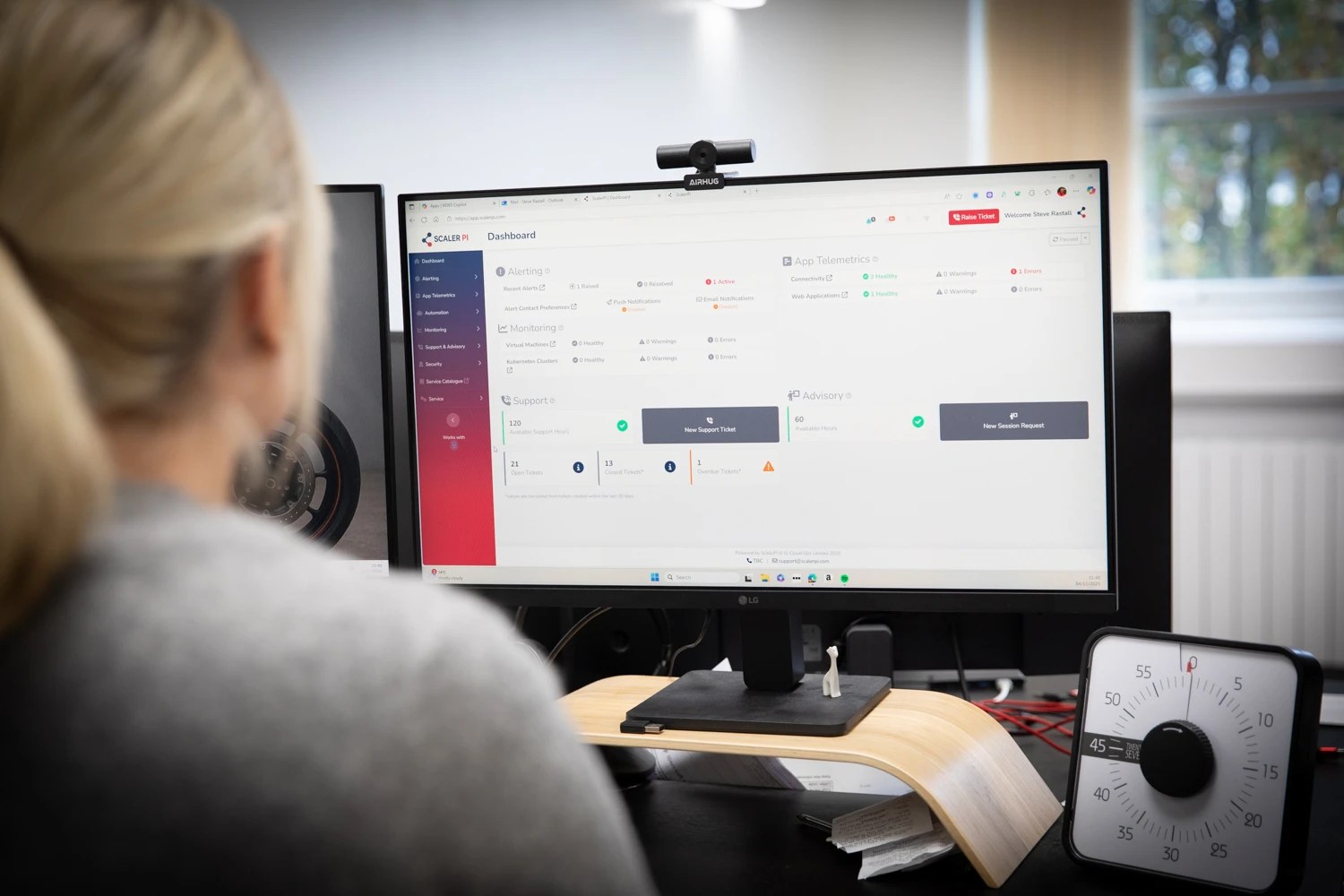
The Raspberry Pi setup with a reliable device manager changes the method teams collaborate. A centralized system allows users to monitor all devices simultaneously instead of doing it separately. Devices can be monitored, updated, and configured without physical access.
This helps reduce pressure on teams, and results in a more safe environment in which less things are placed in the hands of chance.
The Freedom of Remote Access
One of the biggest improvements in modern device administration is the capability to connect to Raspberry Pi remotely. This eliminates the requirement to be physically present, which can cut down on time when you have several devices located in different places.
Remote access enables teams to solve issues immediately, roll out updates and change settings without delay. Today, issues that used to require travel or assistance on site is now managed on one dashboard.
This level of control provides the impression of flexibility, which is vital for growing systems.
Seeing Everything as It Happens
Being aware that devices are operating is not enough. What makes a system reliable is knowing how it operates in real-time.
The ability to control and monitor Raspberry Pi and IOT devices management makes it possible for teams to monitor performance, identify abnormal behavior and react prior to minor issues becoming serious issues. This provides a proactive approach instead of one that is reactive.
The systems become simpler to control and predictable when they are continuously monitored.
Tools to reduce complexity
As devices networks continue to increase in complexity, they also become more complex. Without the right tools for managing changes, configurations, and performance can be overwhelming.
Modern Raspberry Pi device management tools are designed to simplify these tasks. They automatize routine tasks, give clear insights and help ensure that devices remain at a level with operational goals.
Instead of spending time on repetitive task, teams can focus on improving their the efficiency of their systems and enhancing their capabilities.
Building Systems that grow with You
One of the most crucial aspects of device management is scalability. A system that functions for ten devices should also be able to work with hundreds, or thousands.
Companies can design systems that can grow without losing structure by using AWS IOT Device Management Raspberry Pi. Each new device is part of a larger, well-organized network, rather than adding to the complex. This allows the growth process to be controlled, rather than chaotic.
Stability and stability is a must as systems grow
Growth may bring new risk. Stability is important because more devices means more failure points.
Being able to monitor and control Raspberry Pi management and IOT device, systems stay stable even as they expand. It is possible to detect issues early, consistent updates, and ensuring that performance is maintained across the entire network is all possible. This stability makes it possible for businesses to trust their systems without fear.
How to manage devices in more efficient ways
The administration of devices does not have to be a burden. If the proper structure is put in place deployments can be managed efficiently.
The capability to connect remotely to Raspberry Pi as well as to access sophisticated Raspberry Pi tools for managing devices and rely on AWS IOT Device Management Raspberry Pi can transform how businesses run their operations. What used to be a challenge is now easily manageable, and what required constant attention becomes streamlined.
ScalerPi focuses on making this transition smooth, helping businesses move from chaotic setups to system that can be scalable.
As more companies begin to adopt IoT and other advanced technologies that require a precise and solid management system will be an essential element of long-term success.