Connected devices are a key element of modern-day businesses. They gather information, automate processes, and allow for smarter operations. The management of a fleet of devices across multiple locations, particularly as they grow, could be overwhelming. The operation of these devices requires continuous attention, technical knowledge as well as security compliance. This is a requirement for software updates monitors of the system and performance optimization. This is why a structured managed service can transform complicated processes into clear.
The companies begin their search for Raspberry device software for free to cut down initial costs. While these tools are able to provide simple monitoring capabilities and remote access, they rarely provide the level of lifecycle management needed for enterprise deployments. Companies need more than manual controls and dashboards as device networks expand. They require an integrated system which handles the provisioning process, security, monitoring performance and compliance reports automatically and reliably.
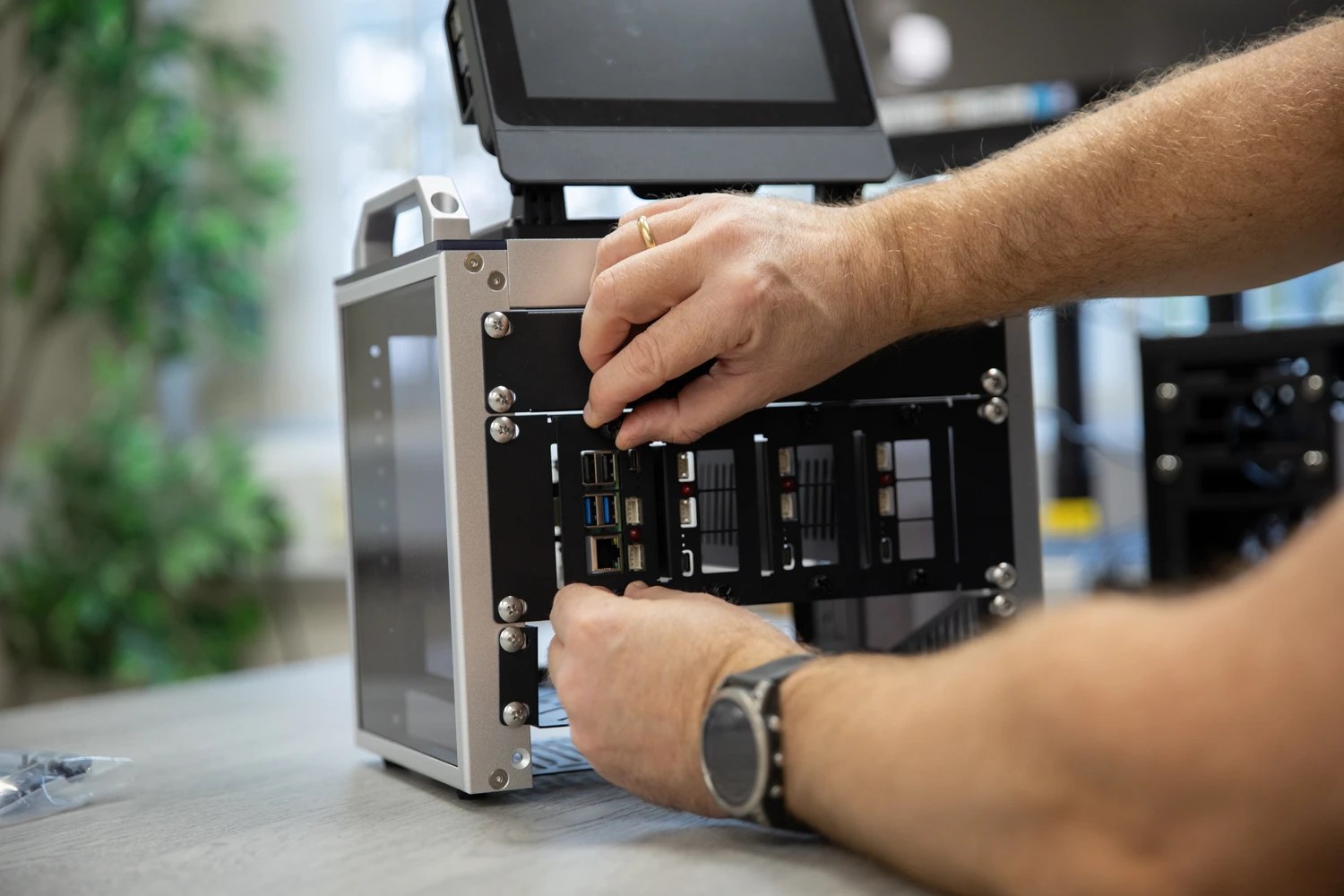
Internal staff is freed from the everyday operational burden through a completely managed infrastructure. Companies can concentrate on growth and innovation, instead of repairing and troubleshooting equipment and systems. Every device is able to be configured, deployed, and maintained in a common framework that guarantees the consistency and reliability. This system reduces downtime and prevents security vulnerabilities caused by faulty configurations or unreliable updates.
A Partnership Model Designed to Scale
A successful IoT ecosystems don’t exist in isolation. They require the strategic planning of a smart architecture and continual optimization. Working with an experienced Raspberry Pi design partner ensures that hardware selection, system architecture, and software environments are aligned with operational goals from the very beginning. Instead of focusing on the installation as a single-time job this partnership builds a flexible foundation that grows as the company grows.
Every managed service is tailored to the environment of the client, covering hardware integration, device management platforms, and technical support in a single operational agreement. This unification process eliminates the fragmentation of service providers and makes communication easier. Businesses now have designated technical contacts, clearly established service level agreements and clear reports that keep everyone well-informed.
Configuration and provisioning processes are standardized to maintain device uniformity across different locations. Each unit is assemble tested, tested, and inscribing before deployment, ensuring the same performance from the beginning. Continuous telemetry provides engineers with real-time insights into the device’s health and stability. This allows them to identify system malfunctions and anomalies before they become serious.
Operational Excellence through Continuous Management
Dependable IoT environments depend on proactive maintenance and not reactive troubleshooting. Patching and updates that are properly managed will ensure operating systems and software remain secure and reliable. Prior to release, updates are thoroughly checked to ensure that there will be no disruptions.
Compliance requirements are also built into the operational workflow. The reporting mechanisms are in line with regulatory requirements, whether organizations are required to conform to ISO standards or SOC2 frameworks. This framework eases the burden of audits as well as improves cybersecurity posture.
The value of managed services is increased by performance optimization and planning. Regular system assessments identify opportunities to upgrade hardware, improvements in energy efficiency and workload the balancing. Infrastructure is not merely one-time measure, but a strategic one that grows with organizational development.
Cloud and Edge Technologies can be seamlessly connected
Modern deployments typically require tight integration between edge hardware and cloud-based ecosystems. Expert Azure IoT support can help companies securely connect devices to cloud platforms and optimize data pipelines, analytics workflows, and automation capabilities. This combination of physical infrastructure and cloud intelligence allows for better decisions and improved operational efficiency.
Professional IoT consulting ensures that monitoring platforms, security protocols and the framework for data governance function cohesively. Engineers keep track of system performance 24/7 and react to any anomalies before they cause disruption to operations. Flexible support options enable organizations to grow confidently, knowing that technical expertise grows alongside their device fleet.
Simple: the goal is for advanced edge systems to appear seamless. Scaler Pi makes advanced technology more accessible by combining the expertise of hardware with cloud-based technology. It creates a space that is streamlined where devices are able to work together. Data, operations and data are seamlessly.
A Smarter Method to Manage Device Infrastructure
Managed services provide a single point of accountability for hardware, design, monitoring and assistance. Flexible pricing models help reduce budgeting surprise, while automated updates and constant monitoring limit operational risks. Companies can feel secure knowing that their infrastructure is secure, compliant, and always working at its highest level.
As IoT ecosystems continue to grow with increasing frequency, the requirement for reliable operating frameworks will become increasingly crucial. A managed service will guarantee that devices networks are secure, efficient and future-ready. This enables organizations to create new products and services without being limited by the infrastructure management.